
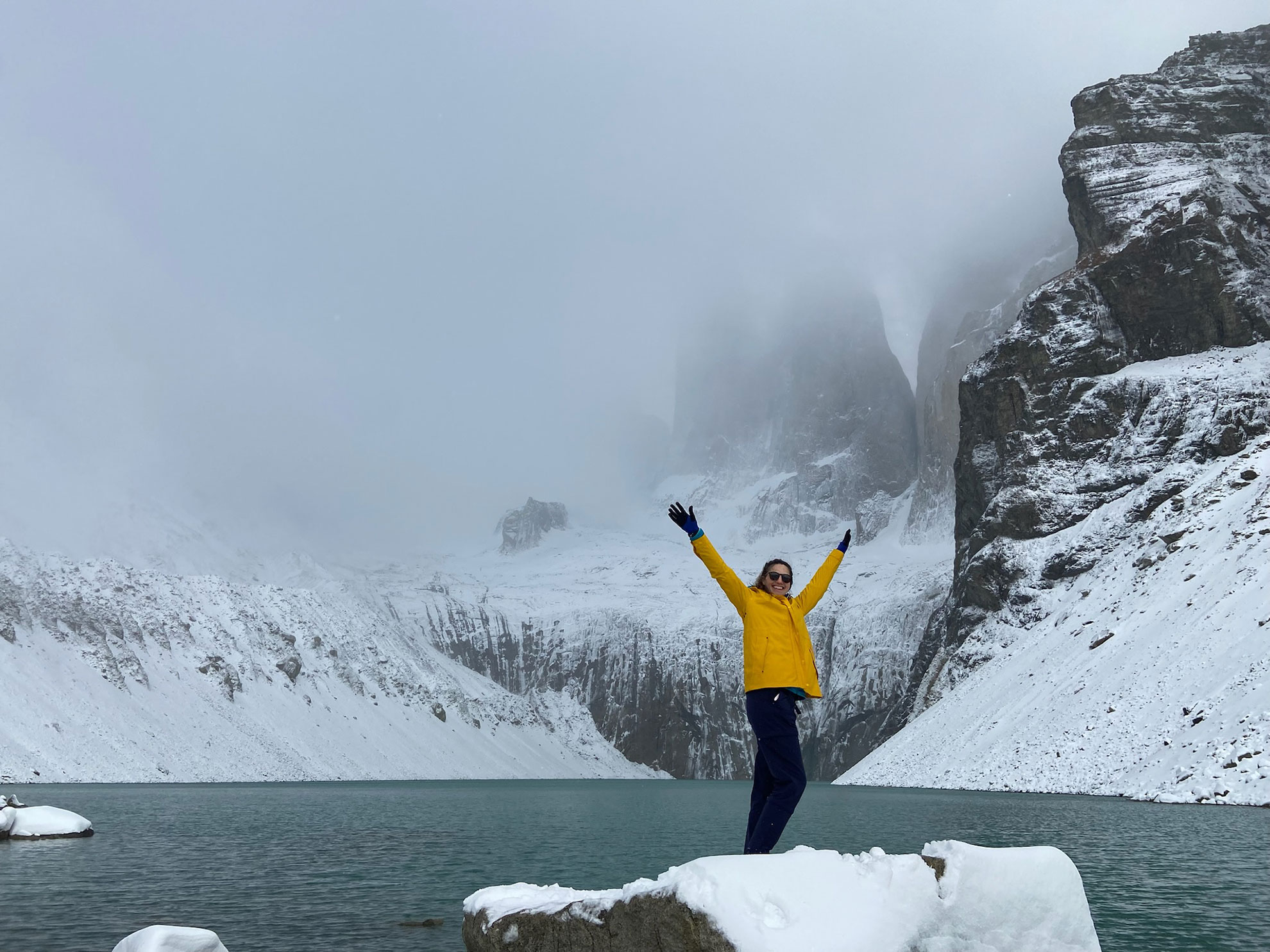
“Skipper” on Agawam’s Alaska II trip
Everyone remembers where they were when they made their first cup of checkerberry tea (Ranger Trail). Characterized by rounded, shiny, green leaves and a familiar wintergreen mint flavor, checkerberry is the cornerstone of the Agawam cookbook. Maybe while growing up in Maine, I might have had a few carrots from my parents’ garden, but checkerberry tea was the first time I had harvested something from the earth on my own and to be used for my own consumption. It’s wild how the simple act of picking leaves to make tea 20 years ago was formative for my own independence, but also in my appreciation of the land and the earth and of my place within its careful balance.
Appreciation of nature is baked into everything we do at Camp Agawam. When we aren’t “drilling for oil” in the Upper Fields, we’re planting commemorative trees in Senior Club Grove, providing nature reports at Council, securing land across the lake for conservation purposes, and setting off on hikes through the nearby wilderness and beyond. It’s impossible to go through a camp summer without being touched by our access to and appreciation of nature. This is especially true if, like “Skipper” Charlotte Phillips, you are coming from an urban or suburban area.
Skipper, a former Camp Wawenock camper and counselor and Agawam counselor from 2012 – 2014, used to direct the waterfront where she saved “Swampy” Alex Lowitt’s life on at least one occasion. I sat down with Skipper at the board meeting last February to discuss her current job as an attorney for Defenders of Wildlife, a nonprofit in Colorado focused on biodiversity policy work (think Hoot). I pivoted from that topic quickly after I found the thread elsewhere.
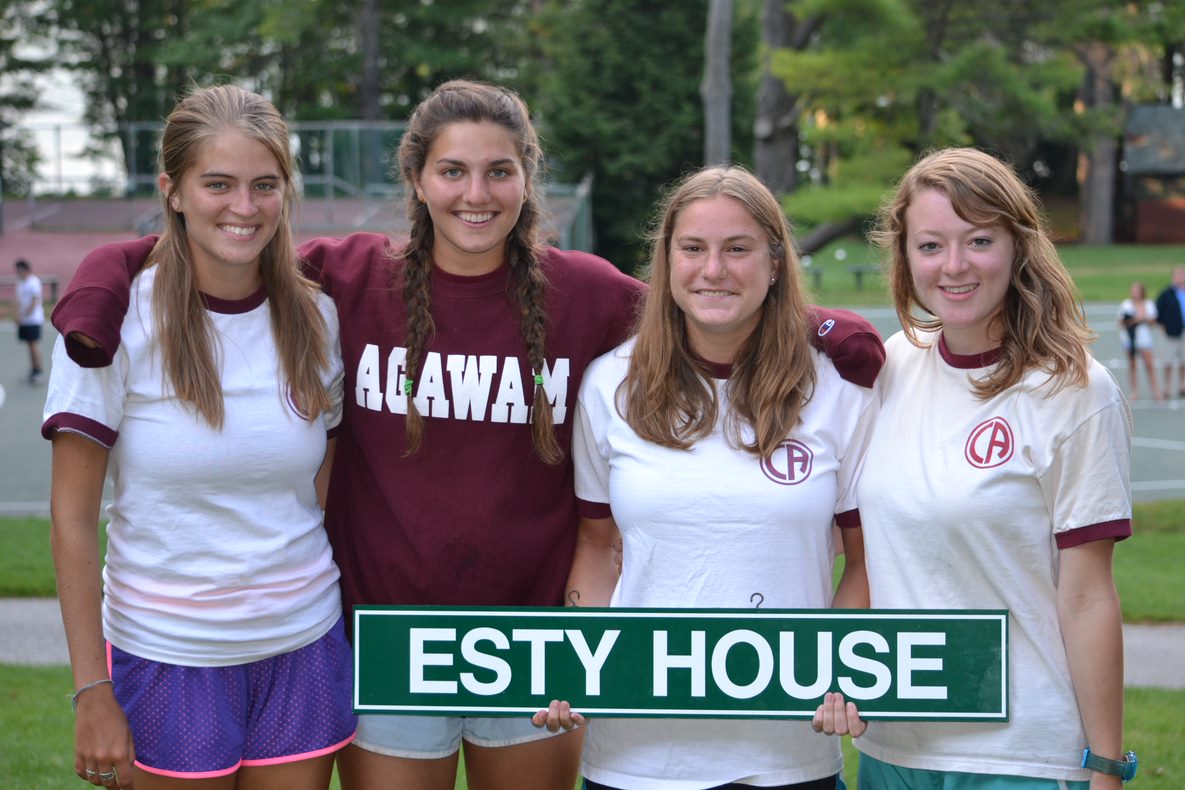
“Skipper” Phillips (second from left) with her Esty House friends during her counselor years
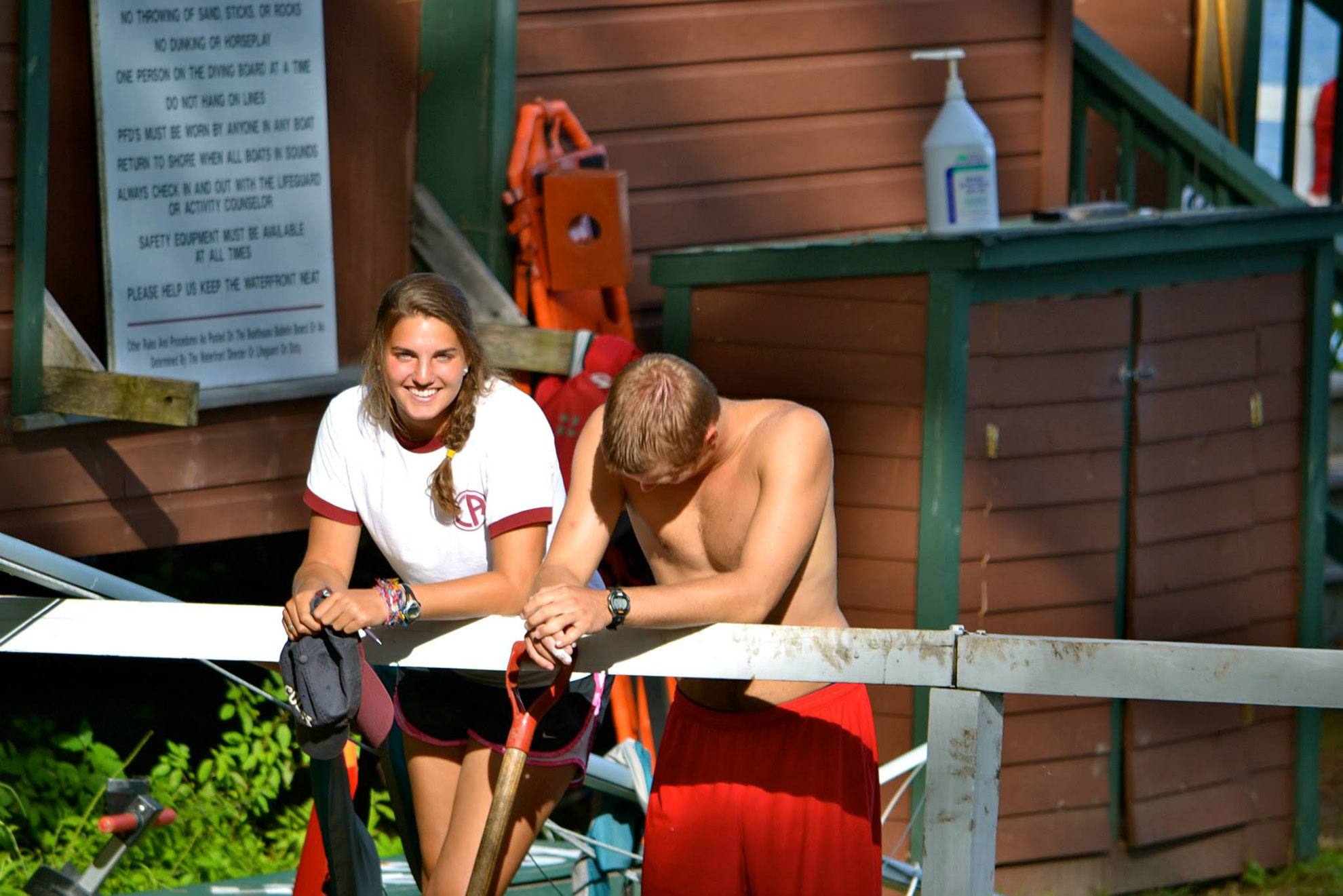
“Skipper” dutifully monitoring the Waterfront – Always Be Scanning
Cox’n Nash: With a single word done in three acts, describe your current job.
Skipper Phillips: Is three sentences okay? I’m an attorney at Defenders of Wildlife. We are a nonprofit organization dedicated to protecting and restoring imperiled species and the habitats they live in. All of the litigation we take on is connected to that conservation mission.
Cox’n: What inspired you to pursue environmental law?
Skipper: Camp was a big part of it. Love for the natural world is an inseparable part of Agawam’s mission and program: whether it’s hearing the weekly refrain to conserve the woods and flowers, memorizing the precise location of every tree root in lower campus, learning what it means to “Leave No Trace” on a trip, or falling asleep to the sound of loons on Crescent Lake, you can’t go through a summer at Agawam without a deep connection to the environment. It was a natural transition for me to become an advocate for it in my professional life.
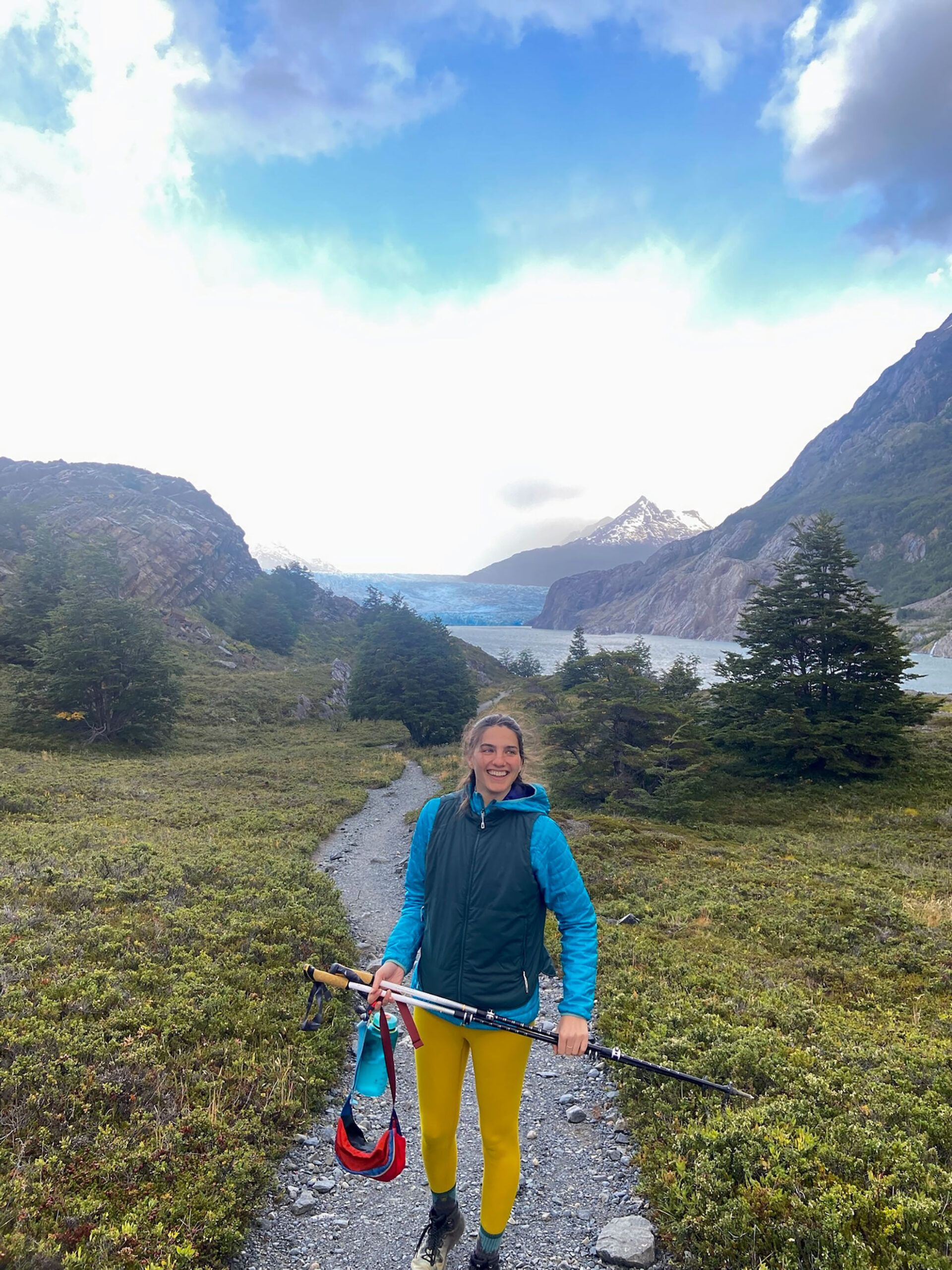
“Skipper” enjoying the trails just a bit
outside the Agawam campus
Cox’n: Was the outdoors something important to you growing up?
Skipper: Yes. But because I grew up in the suburbs, my access to it was limited. Wawenock was the first time I had an extended experience living in the outdoors, and the opportunity to spend seven weeks in a low-tech atmosphere amplified the feeling of connection to where I was. I remember the directors at Wawenock would often stop camp and give us time to just watch the sunset. One of those directors, June Gray, always said, “This particular sunset will never happen again.” There was this appreciation and reverence for the land and the place that we were, and that sentiment continued at Agawam, too.
Cox’n: What happened after you left being a counselor?
Skipper: Agawam was a significant part of my life outside of camp because I moved to New York straight out of college where a lot of other young alumni were also based. So those friendships and relationships continued in my adult life and it was important to me to prioritize them. During that period, “Chief” just called me and asked if I was interested in coming to a board meeting. I don’t think I would have sought the Agawam Council out on my own, so I’m very grateful he gave me this chance to engage with camp in a different way.
Note from Cox’n: As someone who may not have ever been reconnected with camp unless an old camp friend (Connor Murray) reached out and asked if I was interested in volunteering at camp for a week, I can also confirm the importance of a simple call. You never know who needs that tiny push to change their whole life.
Skipper: I joined the board at a time when they were looking to grow the Young Alumni [Representative] position into a program. It was very cool to be a part of that effort and to help build out the program. It’s been such a meaningful experience to see how it’s evolved and to watch people like you take it over and make it your own. I loved my time as a YA Rep and Lead, but being able to let it go and to see it continue to thrive without me—that has been the best part.
Note from Cox’n: (S)he who plants a garden believes in tomorrow. Similarly, (s)he who recruits the next YA Rep believes in the program’s mission. During my time as a YA Rep, I’ve watched the program grow and evolve. That growth and evolution would not have been possible without early dedicated work from Skipper Phillips.
Cox’n: So what was your most rewarding work as a YA Rep?
Skipper: I hope that what it’s done is make people feel like Agawam is not just a past experience, but a present part of their lives. This is a community that’s always here, and the resources we have set up hopefully have made it that much easier for people to tap into that community, no matter where in the world they are, what age they are, or how long it’s been since they were at camp or talked to a camp friend.
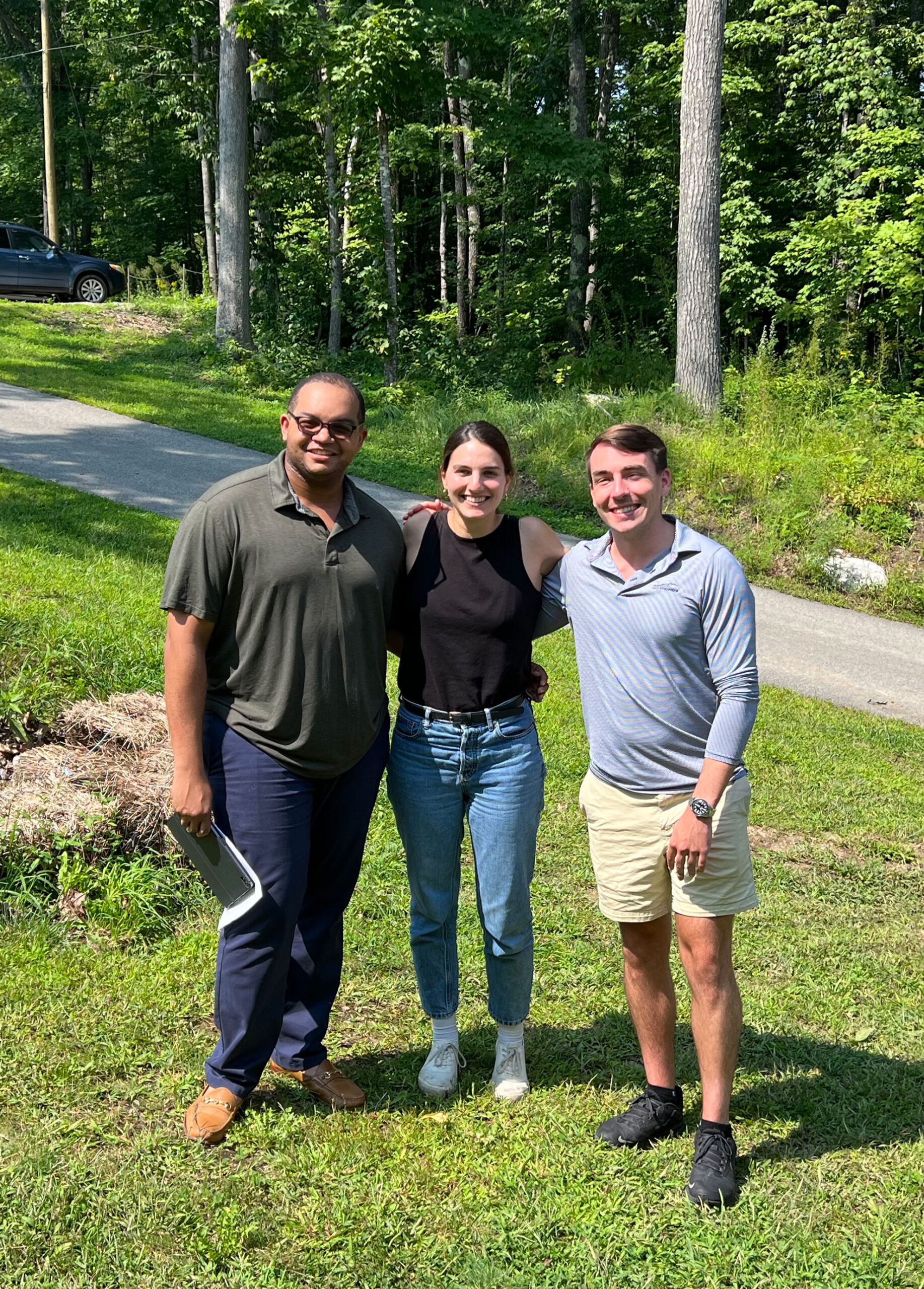
“Skipper” with other illustrious YA Reps: “Commish” Noah Faison (left) and “Striker” Jamie Leyden (right)
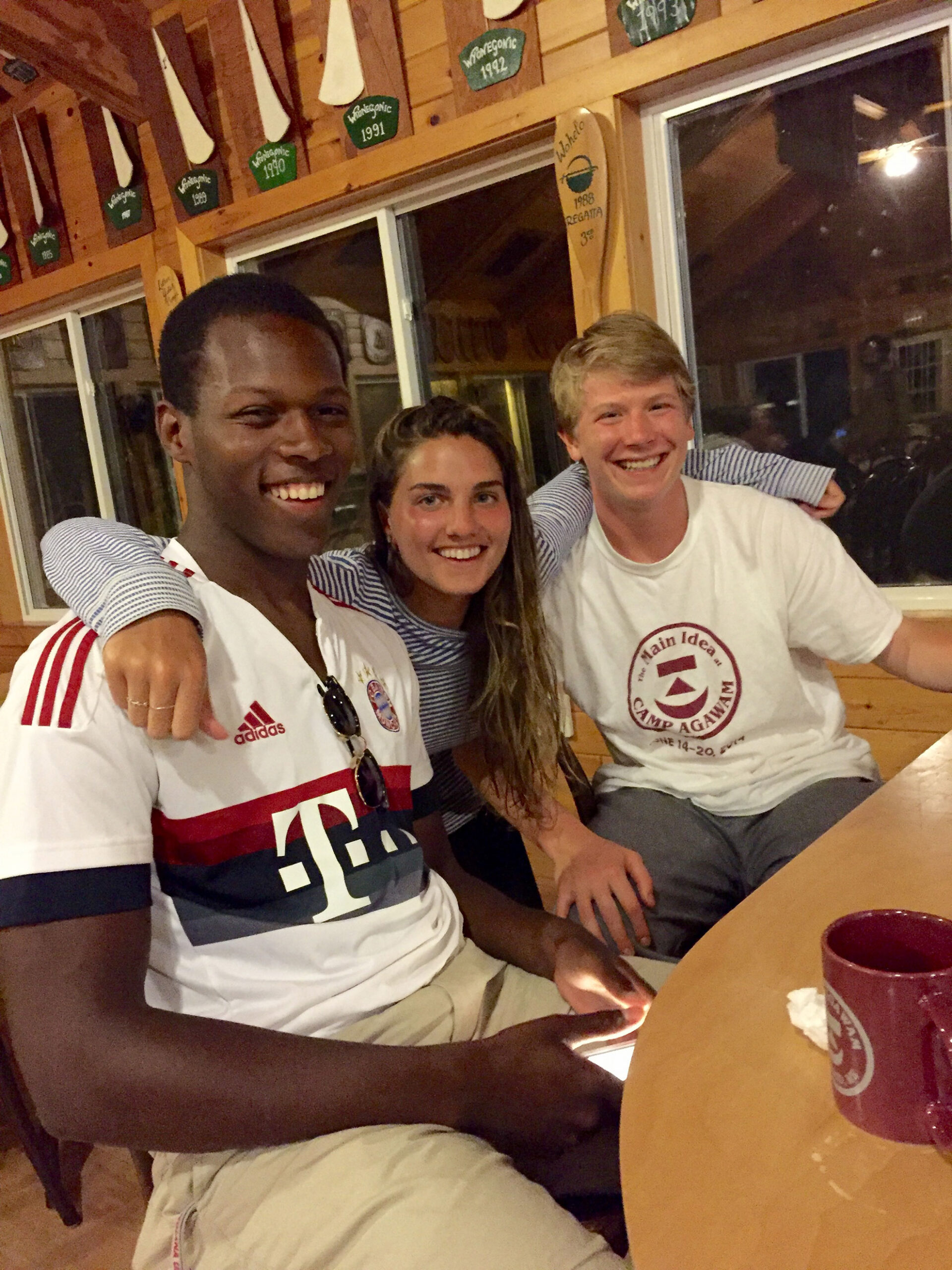
“Skipper” with her pod of pals
Note from Cox’n: From the wise old age of 29, I view life as a winding road. You can bounce from Wawenock to Agawam to New York to Colorado and back again. But for me, from that first checkerberry tea, Agawam has been a connecting thread that has tied the various pieces of my winding road together. And unlike the point of this article, which I found along the way, the lessons we learn at camp follow us wherever we go.
Cox’n: Do you agree with my inner monologues written one month after our initial conversation?
Skipper: I would say whether or not your career is connected to environmentalism, I think we all have a responsibility to leave our planet better than we found it. There are a lot of different ways to carry that lesson into our lives, big and small, but no matter what form it takes, stewardship of the natural world is part of Agawam’s legacy, and our legacy as alumni.
Note from Cox’n: Spoken like a true Defender of Wildlife & Agawam Young Alumni.