

“Cruiser” Catrina Fryer Webber (center) shares her experience as an “Agawoman” and why, even though it’s an all boys camp, Agawam prioritizes hiring female staff
When I was about nine years old, my dad took my younger brother and me for an overnight visit to Camp Agawam, which he had attended as a camper in the late 1960s and stayed involved with ever since. We had heard about Agawam for our entire lives, and it was finally time to—ostensibly—get my brother excited about going to camp. I don’t know if Dad expected the visit to have such an impact on me, but before we headed home I approached then-director Chief Garth Nelson with an earnest question: could I be the first female camper? He very kindly replied, “No, but you can come back as staff when you are old enough.”
Fast forward 10 years, and my brother was headed back to camp as a counselor. “What are you planning to do this summer? Do you want to work at camp with me?” The chance to go to Agawam had finally arrived, and I couldn’t wait!
I joined the Agawam staff as a cabin counselor and loved it. I had a group of campers that I was in charge of and an activity that I taught during the day. Most cabins at Agawam have at least two counselors, and my fellow Agawomen and I were typically counselors in the Lower Campus (campers aged 8-11). Our duties within the cabins were the same as our male counterparts; creating Katiakis, helping with cabin cleanup and creating a positive cabin environment—the only difference being we did not sleep in the cabin with the campers.
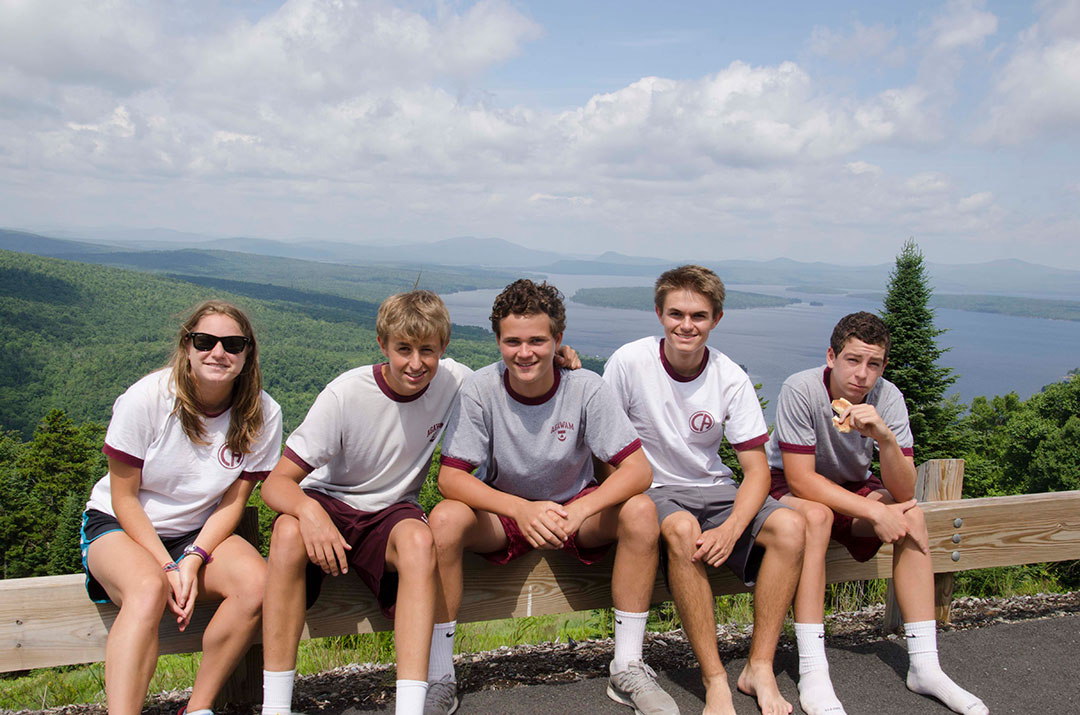
Cruiser enjoying the Height of Land with campers (above) and volunteering with her father “Loot” Bob Fryer and brother “Striker” Kenn Fryer (below)

This was 2012, but I was far from the first female staff member. The early years of Agawomen mostly consisted of the wives of staff members. Their roles were more administrative, working in the office or as the camp’s nurse, all of which were (and are!) essential to running camp.
Today, Agawomen can be found in every area of camp: the front office, the infirmary, cabin counselors, activity heads, the Trip Room, and many more. During my summers, most of the Agawomen were lifeguards and working on the waterfront. It was our responsibility to run Morning Dip, which I still maintain is the best way to wake up!
When I first arrived at camp, I thought I was stepping into a world built for boys. And in many ways, I was. The energy, the sense of adventure, the constant buzz of mischief—none of that surprised me. But what I didn’t expect was how much this place would shape me, and how my role as a counselor would have a ripple effect on the boys I met. And I quickly found that my presence as a woman added something special to the mix—something that none of us had quite anticipated.
While each summer is unique and comes with its own set of challenges, the partnership created with your co-counselors throughout the summer is paramount to both staff and campers achieving the best summer ever. I believe that displaying a positive working relationship with my male co-counselors was one of the most impactful things I did as a cabin counselor. My co-counselors and I took on responsibilities interchangeably, and our campers could come to any of us with any issues. For some campers, this is the first time they witnessed this sort of equality, and am still proud to have demonstrated that.
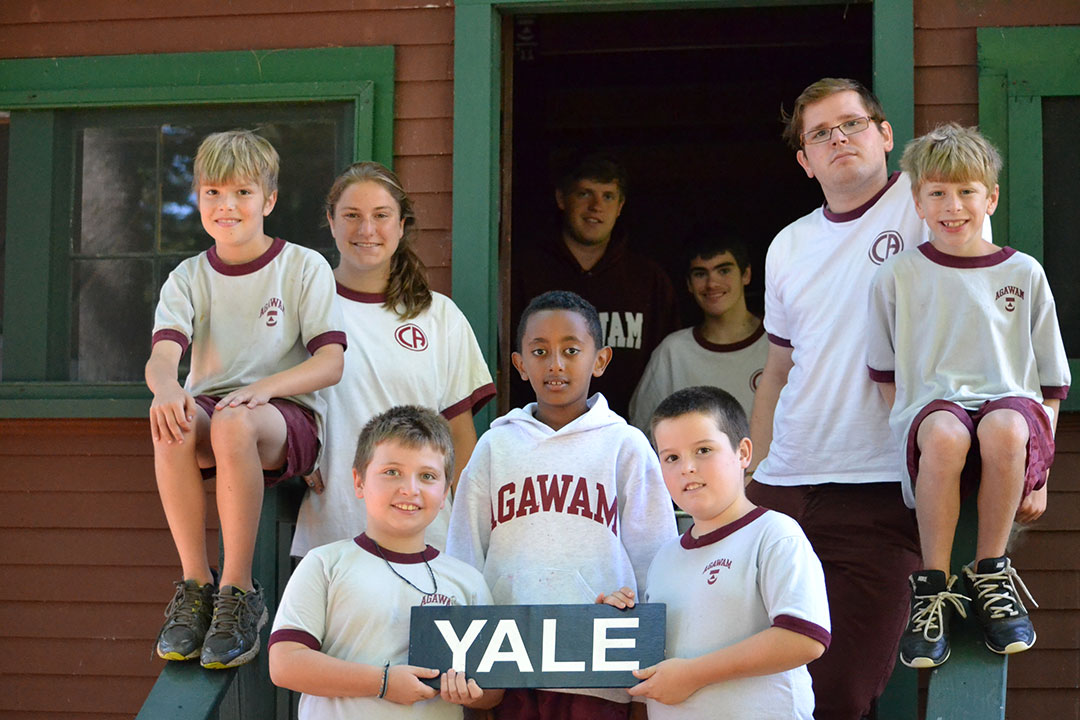
Cruiser with cabin of Yale – 2012
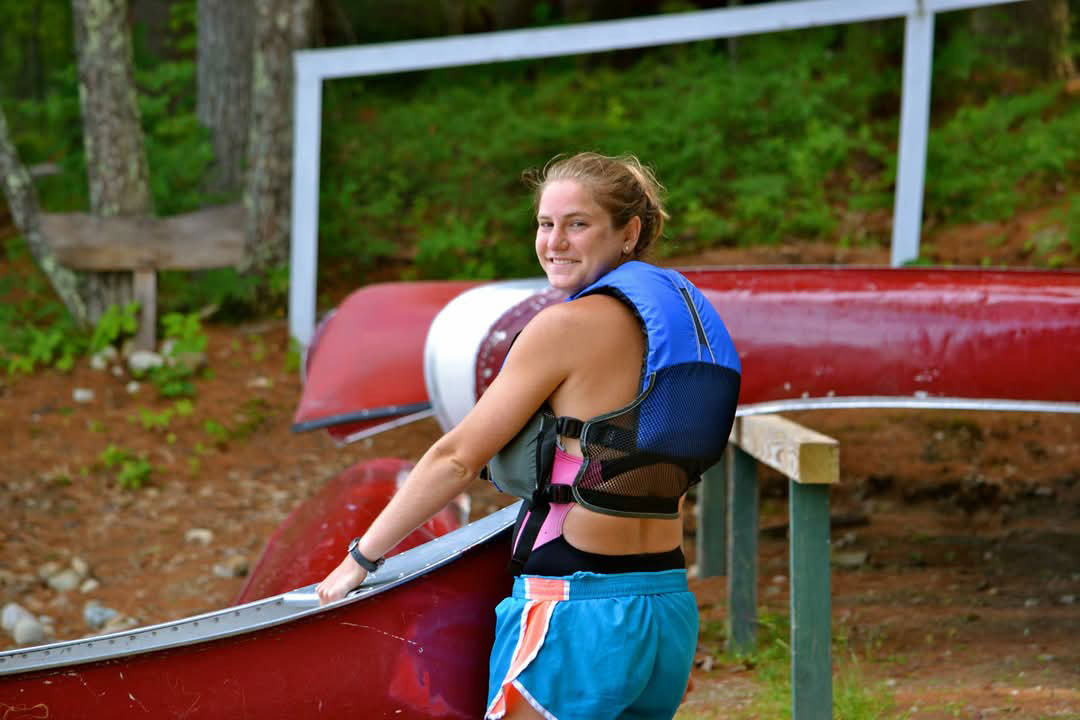
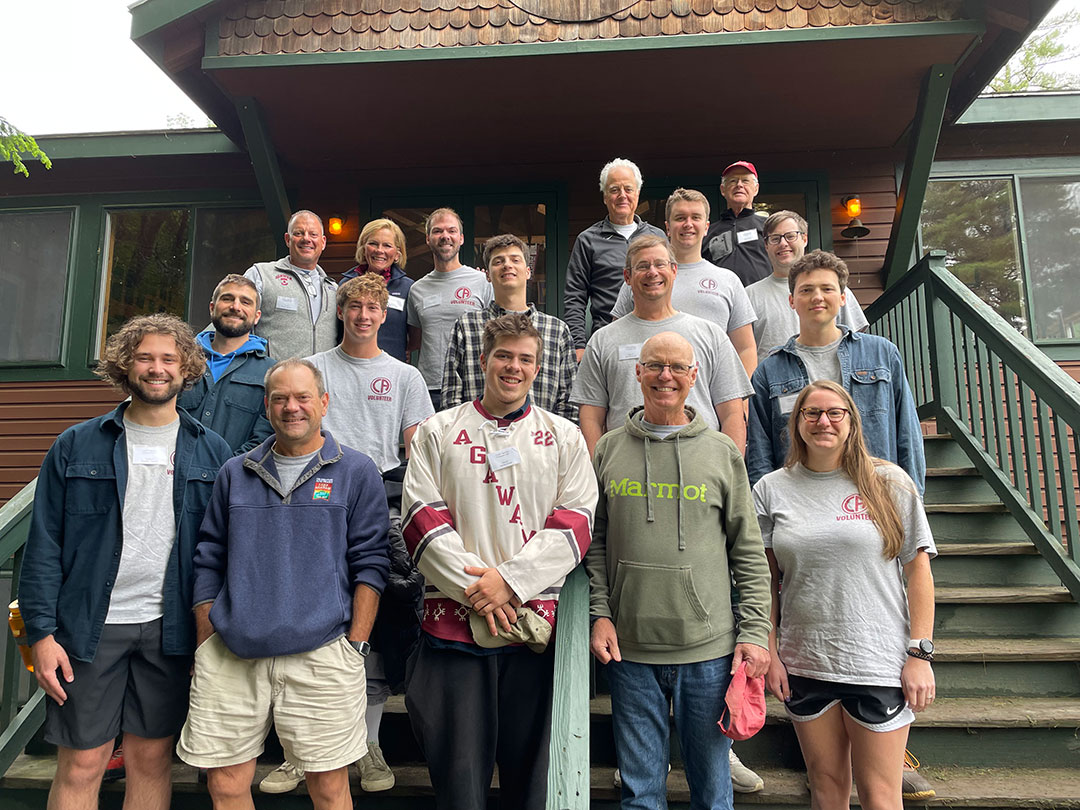
Cruiser pitching in on the waterfront (above) and with Main Idea volunteers in 2023 (below)
My favorite part about being a camp counselor was the relationships I was able to form. Some of my best friends in the world I met at camp—both male and female. My brother and I left camp that summer closer than ever, becoming friends and co-workers on top of siblings. It is amazing how the shared experience of being together at camp can give you a different perspective on a person and transcend many years of being apart.
I strongly believe that one reason the level of connection is so much deeper is because we do not have technology like phones, computers, and TVs with us. You get to spend time with everyone without the interruptions of the outside world, giving you the ability to dedicate your energy fully to each interaction you have. It has been so fun reconnecting with people I was at camp with in the past few years, many of whom were campers and are now adults!
I am so thankful for the experiences that Camp Agawam has given me. My summers on staff empowered me to take chances and step into leadership roles that gave me skills I use every day.
None of it would have been possible without the Agawomen who came before me, paving the way, and the Agawomen who come after me, continuing to positively impact the entire Camp Agawam community. Each summer, we all bring something new to camp—a different perspective, a sense of caring, and a calm presence that complements the boys’ journey of growth. Even a small group of women staff members can make an enormous difference. I am hopeful that each group of Agawomen that arrive at camp continues to deepen that impact, taking opportunities to make camp the best it can be.


