About Us
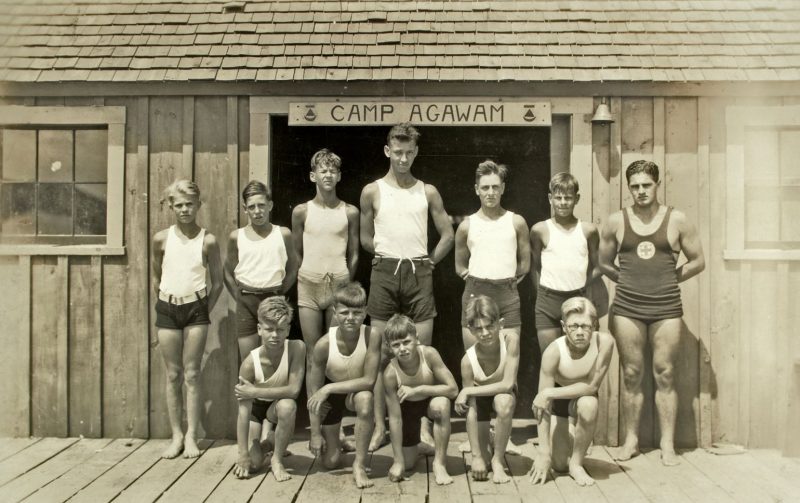
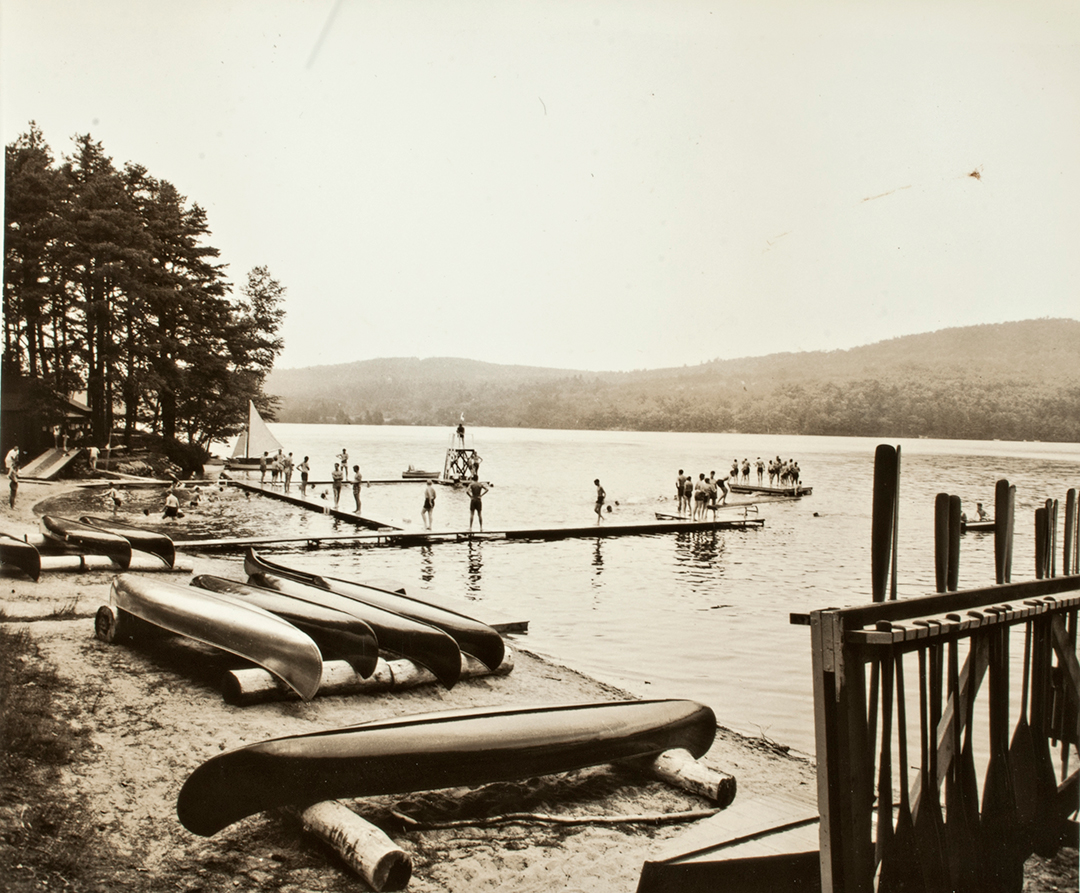
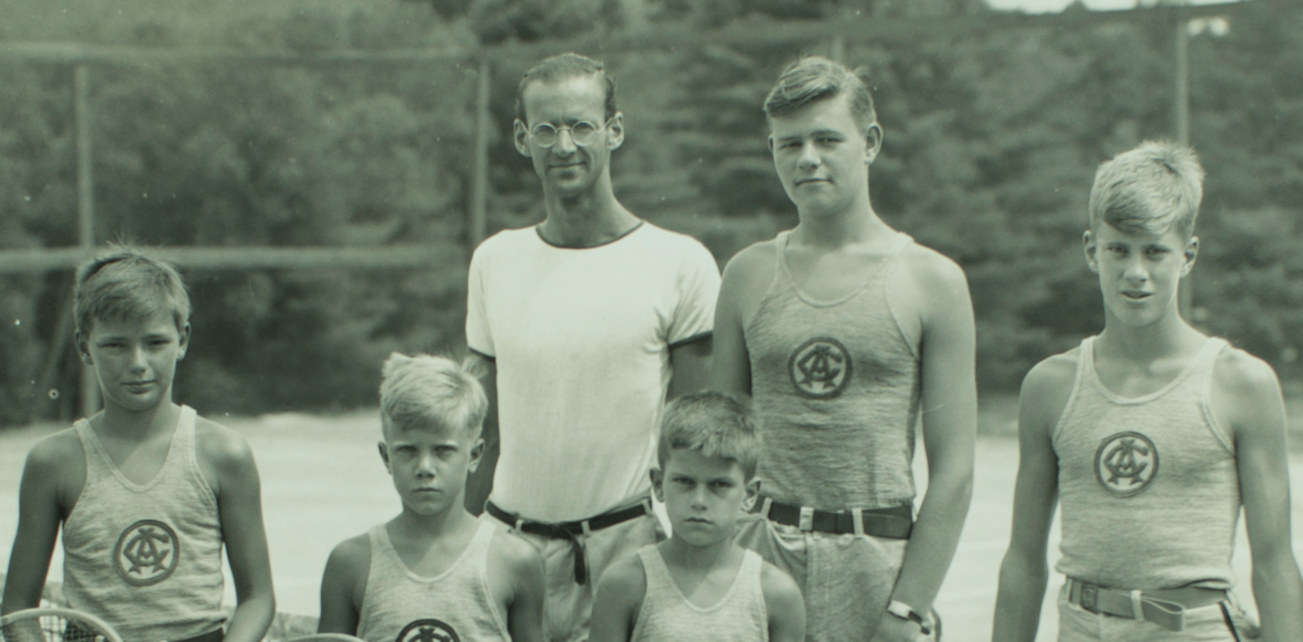
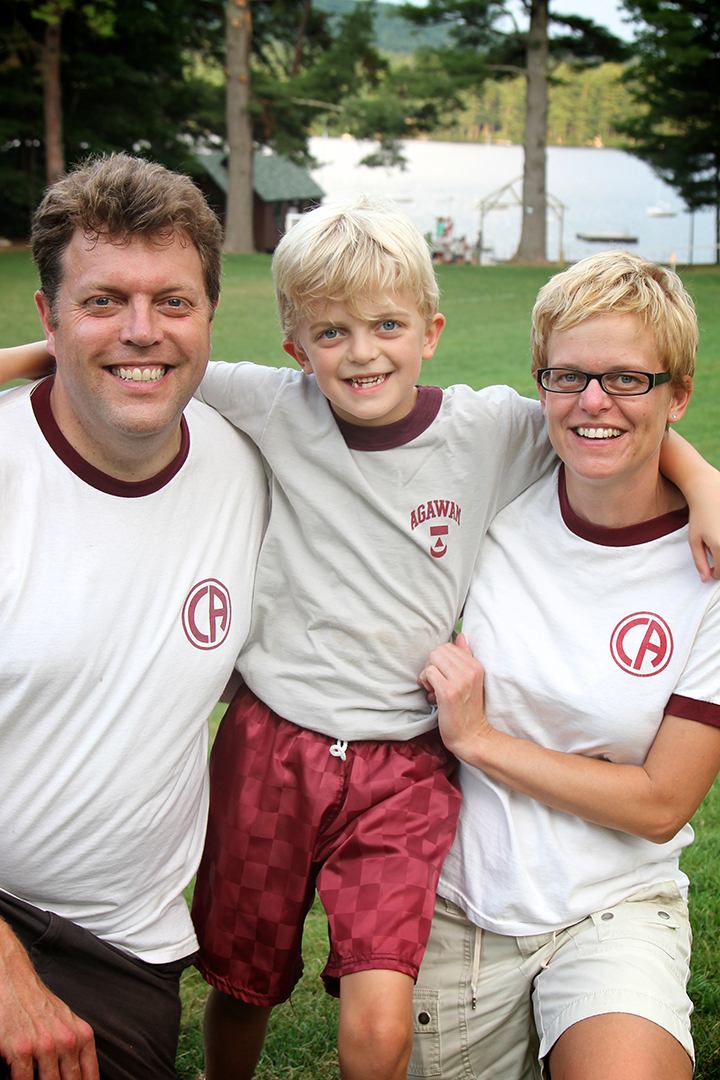
For more than a century, Camp Agawam has been a home away from home for boys from around the world.

Agawam by the Numbers
boys from around the world
ages
acres
feet of shoreline

Our Philosophy
The Woodcraft Laws
Beauty
Beauty
- Be clean, both yourself and the place you live in.
- Understand and respect your body, for it is the temple of the spirit.
- Be a friend to all harmless wildlife. Conserve the woods and flowers, and especially be ready to fight wildfire in forest or town.
Truth
Truth
- Word of honor is sacred.
- Play fair; foul play is treachery.
- Be reverent; worship the Great Spirit and respect all worship of him by others.
Fortitude
Fortitude
- Be Brave. Courage is the noblest of all attainments.
- Be silent while your elders are speaking and otherwise show them deference.
- Obey. Obedience is the first duty of the Woodcrafter.
Love
Love
- Be kind. Do at least one act of unbargaining service each day.
- Be helpful. Do your share of the work.
- Be joyful. Seek the joy of being alive.

Personal Growth Through Katiaki
Campers receive frequent feedback and, at the end of the week, the staff gathers to determine if each camper has made a conscientious effort to attain his Katiaki goal. The emphasis is always on the effort, as the goals themselves can often be very challenging. If a camper does work hard on his Katiaki, he is honored publicly in the special candlelight ceremony at the end of our weekly Council Fire.
Katiakis have been a part of Camp Agawam since 1942. Many alumni find it has the most enduring impact of their Agawam experience.
Our History
To preserve and protect the institution they had known and loved, a group of Agawam alumni, parents, and friends formed the non-profit Agawam Council, which purchased the camp in 1985. The Agawam Council is run by a Board of Directors dedicated to continuing the quality summer camping that Agawam had become known for.
Today, Camp Agawam is thriving and serves as an industry model for other camps that face transition and change. While Agawam has welcomed many new campers and families into the fold over its history, its charge remains the same as ever–centered on character development, enhancement of self-esteem, leadership skill development, and a greater respect for the natural environment.